Bulwijn.nl
 Bulwijn.be


Why Bulgarian Wine? The Wine You Didn't Know You Were Missing
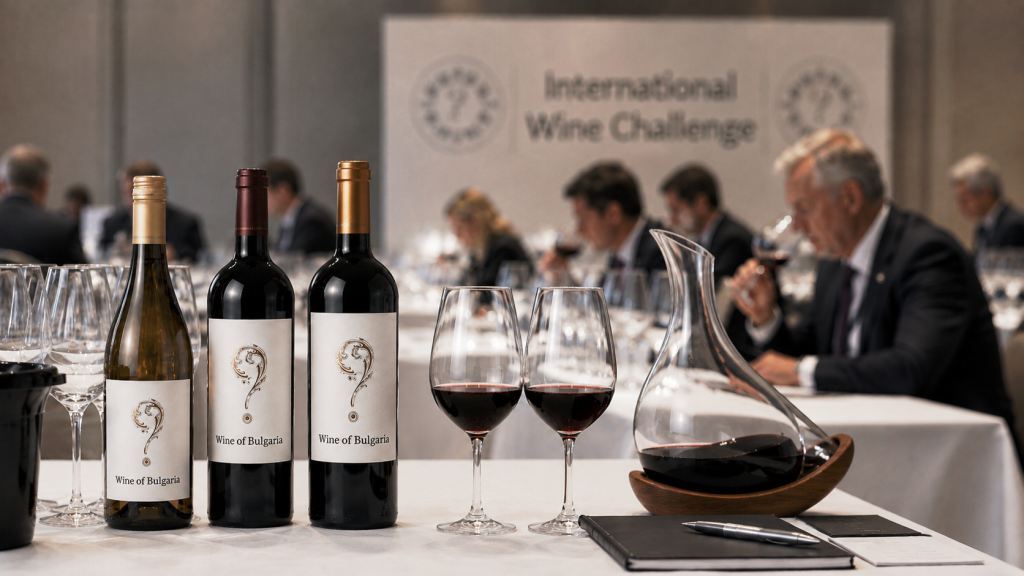
Why is Bulgarian wine worth discovering?
Because Bulgaria combines something increasingly rare in the wine world: thousands of years of wine culture, indigenous grapes that remain largely unknown outside the Balkans, remarkably diverse growing conditions and a modern generation of winemakers rediscovering what makes their country distinctive. For wine lovers, that creates an unusual combination of history, individuality and, perhaps most importantly, genuine discovery.
Ask most wine drinkers to name a French grape variety and the answers come easily. Cabernet Sauvignon, Chardonnay, Pinot Noir, Sauvignon Blanc. Ask for an Italian or Spanish wine region and the conversation continues just as naturally. Now ask the same people to name a Bulgarian grape or wine region and there is a good chance the room becomes quieter. That is strange, because Bulgaria is not a newcomer to wine. Its relationship with grapes reaches back thousands of years, its vineyards stretch across remarkably different landscapes, and it has local varieties such as Mavrud, Melnik, Rubin and Gamza that give wine lovers something genuinely different to taste. Yet for many people outside the Balkans, Bulgarian wine remains almost unexplored territory.
That gap between what Bulgaria has to offer and how little of it is known abroad is perhaps the first good reason to become curious about it.
But there is another reason. Bulgarian wine is particularly interesting now, because the country's modern wine scene is no longer defined by the inexpensive mass-market wines through which many Western consumers first encountered it decades ago. Modern wineries, better vineyard management, smaller ambitious producers, renewed attention to indigenous grapes and a growing desire to express individual regions are changing the picture. Respected international wine writers are following that transformation, Bulgarian wines are earning recognition in serious blind-tasting competitions, and producers are experimenting with everything from traditional local varieties to organic, low-intervention, natural, sparkling wines, wines from dried grapes, and a growing range of pét-nat and orange wines. The result is not a single new “Bulgarian style”, but something far more interesting: a wine country rediscovering what makes it different.
For the broader story of the country, its grapes, regions, terroirs and wineries, you can also explore:
Bulgarian Wine: Discover the Wines of Bulgaria →
How old is Bulgarian wine, really?
The relationship between wine and the lands of present-day Bulgaria goes back thousands of years, but the real archaeological story is more interesting – and more credible – than simply repeating that Bulgaria has “7,000 years of winemaking”.
At Tell Yunatsite, an important prehistoric settlement near Pazardzhik in the Upper Thracian Plain, archaeologists found evidence that grapes were being deliberately gathered during the Late Copper Age to produce a drink, possibly wine. The researchers are appropriately cautious about exactly what that drink was, which is why we should be cautious too: the discovery does not prove that Bulgaria “invented wine”, nor does Bulgaria need such a claim. What it does show is remarkable enough. People living in this part of south-eastern Europe were already deliberately using grapes for drinks thousands of years before the classical civilisations we normally associate with European wine. The relationship between this landscape and the vine is therefore not a modern marketing invention – it is extraordinarily old.
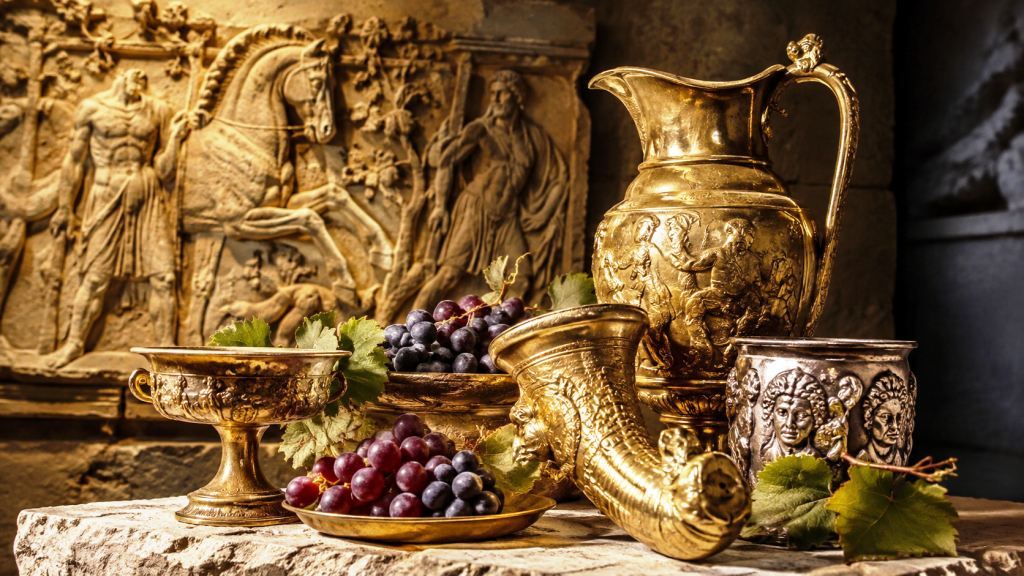
A few millennia later that relationship becomes much more visible through the ancient Thracians, for whom wine was intertwined with feasting, status, ritual and religion. Archaeological discoveries across Bulgaria include drinking vessels, tombs, temples and rich objects connected with elite banqueting, but few make the point as spectacularly as the Panagyurishte Treasure. Discovered accidentally by three brothers in 1949, the Thracian treasure consists of nine gold vessels weighing 6.164 kilograms in total and dates from the late fourth to early third century BC. The set includes rhytons and a phiale associated with ceremonial drinking; one scarcely needs a more vivid illustration of how seriously the ancient Thracian elite could take the ritual surrounding wine. These were not rustic clay cups filled casually at dinner but objects of extraordinary craftsmanship and value, designed for a culture in which drinking carried social, symbolic and religious meaning.
This ancient background matters, but not because every modern Bulgarian bottle should somehow be judged through the lens of the Thracians. Wine traditions survived, changed and adapted through Roman rule, medieval Bulgaria, Ottoman rule, the creation of the modern Bulgarian state and the turbulent twentieth century. Grapes remained part of agricultural and family life, and home winemaking still has a visible place in Bulgarian culture today. What matters for the modern wine drinker is the continuity of the idea: Bulgaria did not suddenly discover that its climate could grow grapes after joining the European Union or after foreign investors arrived in the 1990s. Wine had already been woven into the culture of the region for an exceptionally long time. The ancient story gives modern Bulgarian wine depth, but history alone does not make a bottle worth drinking. To understand why Bulgaria is still relatively unfamiliar despite all that history, we have to jump forward several thousand years.
Read more about the traditions in wine and wine making in Bulgaria →
If Bulgarian wine is so old, why haven't I heard more about it?
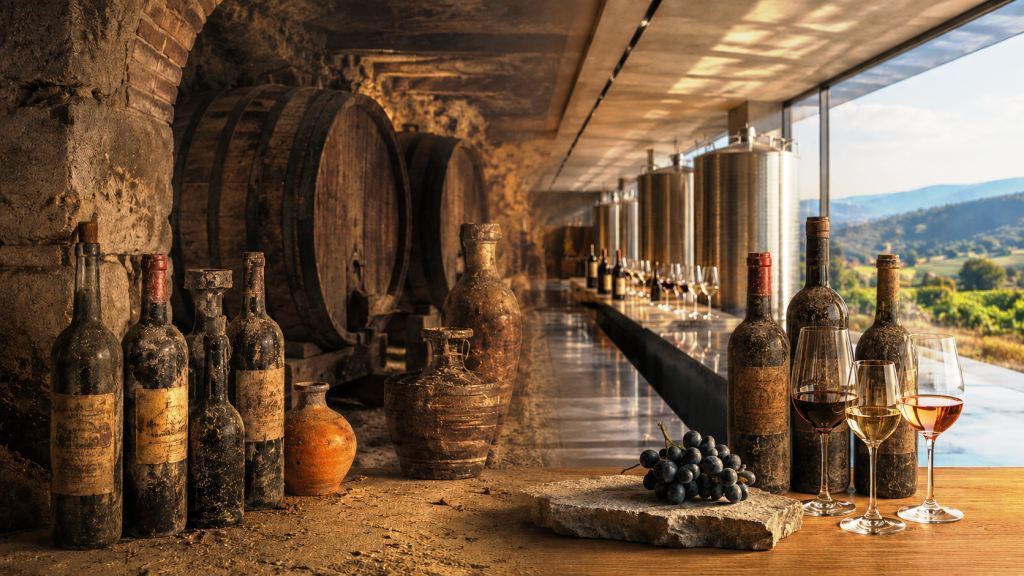
Because Bulgaria's modern reputation was shaped less by its ancient grapes and individual vineyards than by the enormous export industry it built during the socialist period.
From the 1960s onwards, wine production expanded dramatically, both for domestic consumption and export. Bulgaria became an important supplier within the Eastern Bloc, with the Soviet Union by far its largest foreign market, and it also sold wine in Western Europe, particularly Britain. Historical research shows how important wine became to Bulgaria's export economy: the value of wine exports rose from about $17.6 million in 1960 to more than $195 million by 1989. The country's wine industry had scale, organisation and technical ambition, but the incentives of such a huge market naturally favoured reliable volume and varieties consumers recognised. Indigenous grapes such as Mavrud, Misket and Gamza had little name recognition abroad, while Merlot, Cabernet Sauvignon and Chardonnay were much easier to sell internationally. Some local vineyards were consequently replaced with internationally familiar varieties.
For British wine drinkers of a certain generation, this created a very specific image of Bulgaria. Jancis Robinson later recalled the inexpensive Bulgarian Cabernet Sauvignon that appeared in Britain in the 1980s, sometimes performing surprisingly well beside far more prestigious bottles. The wine could offer remarkable value, but that success also narrowed Bulgaria's identity abroad. Rather than becoming famous for Mavrud from the Thracian Lowlands or Melnik from the Struma Valley, Bulgaria became known to many consumers simply as a source of cheap, dependable Cabernet and Merlot. Then the structure supporting that enormous trade began to unravel. Soviet anti-alcohol policies in the 1980s damaged wine-producing countries dependent on that market, and the subsequent political and economic collapse of the Eastern Bloc radically changed the environment in which Bulgarian wine had operated. Vineyards lost markets, production declined and the restitution of agricultural land created fragmented ownership that made rebuilding the industry harder still.
That helps explain one of the most important paradoxes in Bulgarian wine today: the wines changed much faster than the reputation did. For consumers who remember Bulgarian wine from the 1980s or 1990s, the mental picture may still be an inexpensive Cabernet on the bottom shelf. Younger consumers may have no picture at all. Meanwhile, vineyards changed hands, new private wineries appeared, foreign and domestic investment arrived, winemakers travelled and studied abroad, and producers started reconsidering what their country could offer beyond volume. The outside world's impression of Bulgaria was, in effect, frozen at a moment when the industry itself was beginning one of the biggest transformations in its history. This is why the fact that Bulgarian wine remains relatively unknown should not automatically be interpreted as evidence that it lacks quality. In many markets, recognition simply has not caught up with what has been happening in the vineyards.
What changed and why is Bulgarian wine interesting again?
Modern Bulgarian wine has become interesting because producers are increasingly moving from the question “Can Bulgaria make good wine?” to the much more ambitious question “What should a distinctly Bulgarian wine be?”
The answer is not uniform. Some wineries have concentrated on precise, polished wines made with modern technology; others have turned towards organic vineyards, spontaneous fermentation and lower-intervention cellar work. Some focus heavily on Mavrud, Melnik, Rubin, Gamza and other local varieties; others use international grapes to explore what Bulgarian soils and climates can give them. What connects the most interesting developments is a greater willingness to look at individual vineyards, regional differences and the personality of the grape rather than treating Bulgarian wine as one large national category. Caroline Gilby MW, who has followed Bulgarian wine for decades, described the wine scene on JancisRobinson.com in 2020 as “incredibly dynamic”, noting the growing number of independent producers and the shift towards a smaller, more quality-focused industry. She was equally clear that not everything was perfect – bureaucracy, fragmented appellations and inconsistent vineyard quality remained real problems. That balance between enthusiasm and criticism makes the assessment much more persuasive.
Five years later, the story had moved forward again. On 23 May 2025, JancisRobinson.com published Oliver Coleman's “Bulgaria at the crossroads”, a major feature devoted to what it called a “third wave” of Bulgarian winemakers. The phrase is important. Bulgaria's first modern wave was essentially the state-organised export industry; the second came with privatisation, new wineries and investment after communism; the emerging third wave is increasingly about smaller parcels, native grapes, individual growers and a more personal sense of place. The article opened by questioning whether it even made sense to call Bulgaria an “emerging” wine country given its millennia of wine history, but its central observation was forward-looking: a younger generation is turning Bulgaria into a source of “seriously interesting and delightful wines”. Coleman highlighted Petar Georgiev and Radostin Milkov of Georgiev/Milkov, who work with small parcels of native varieties in the Thracian Lowlands, but the broader significance is larger than any one producer. An internationally respected specialist publication was no longer looking at Bulgaria merely as an inexpensive alternative; it was examining it as a wine country in the process of defining a modern identity.
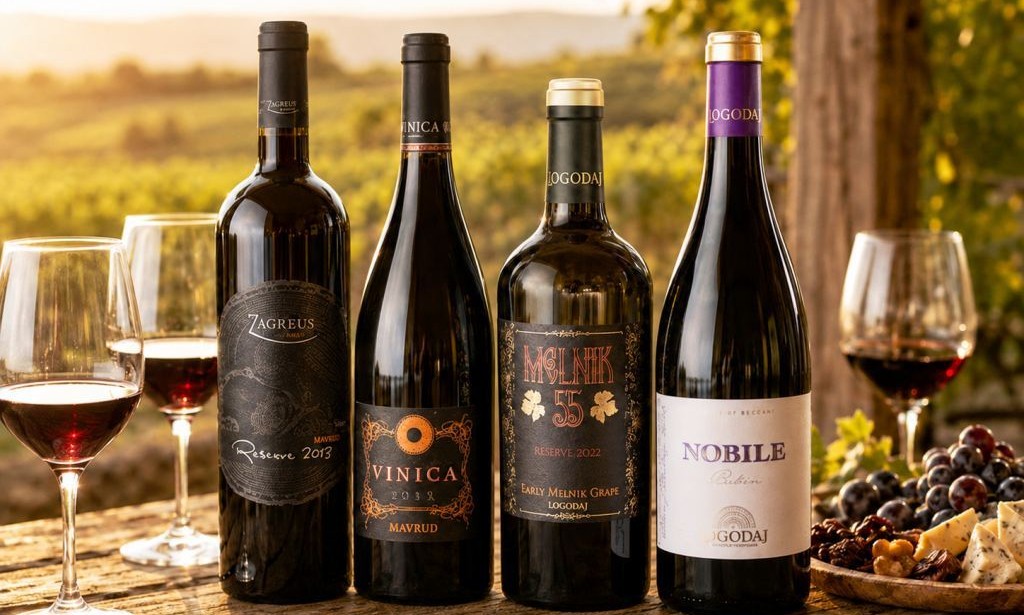
The accompanying 2025 tastings make that development even more relevant to our own selection. Coleman tasted a Santimenti Mavrud from Zagreus Winery and Melnik 55 Early Melnik Grape from Logodaj Winery placing both producers among the wines considered in that contemporary survey of Bulgaria. Zagreus is particularly revealing because the estate has spent years exploring how far Mavrud can be taken – from straightforward varietal wines to organic, low-intervention, natural, and dried-grape interpretations – while Logodaj has made the varieties of the Struma Valley central to its identity. In other words, the producers we work with are not simply convenient examples chosen because their bottles are on our shelves, they form part of the same modern Bulgarian wine conversation being followed by international critics.
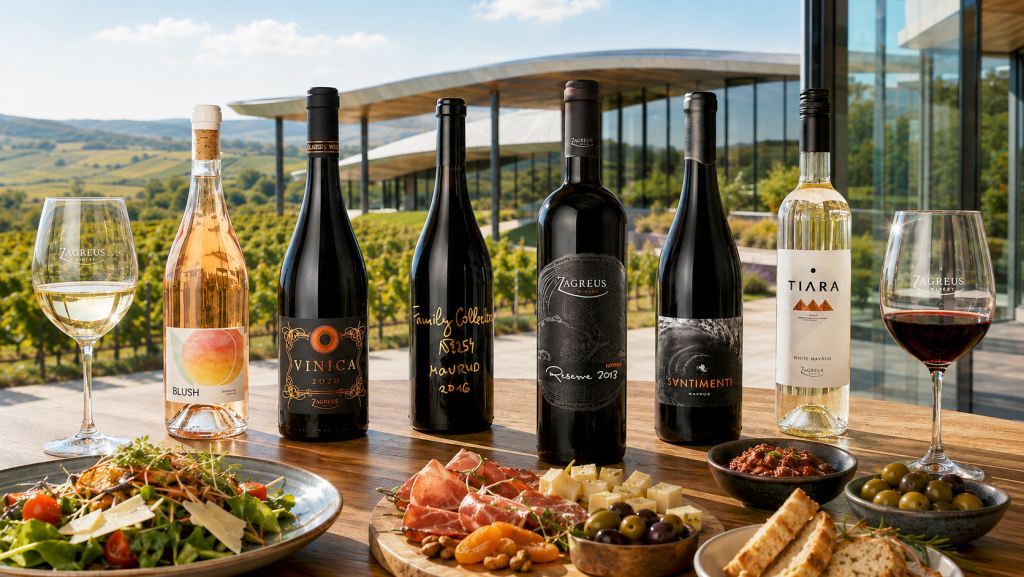
There is also an interesting continuity here. Jancis Robinson herself had already drawn attention to Zagreus VINICA Mavrud back in 2010, calling it an unusual, ambitious and successful expression of Bulgaria's signature grape. VINICA is made from Mavrud grapes that are dried after harvest, concentrating flavour and structure before vinification – an approach reminiscent of the drying methods associated with wines such as Amarone, but applied to a distinctly Bulgarian grape and matured in Bulgarian oak. Robinson's interest more than fifteen years ago and JancisRobinson.com's renewed attention to Bulgarian producers in 2025 create a useful perspective: this renaissance did not suddenly appear because Bulgarian wine became fashionable last year. It has been developing for years, and the most interesting producers have been building their identity patiently.
What makes Bulgarian wine genuinely different?
The strongest practical reason to explore Bulgarian wine is its collection of indigenous and locally distinctive grapes: varieties capable of producing flavours and styles that cannot simply be replaced by another Cabernet, Merlot or Chardonnay from somewhere else.
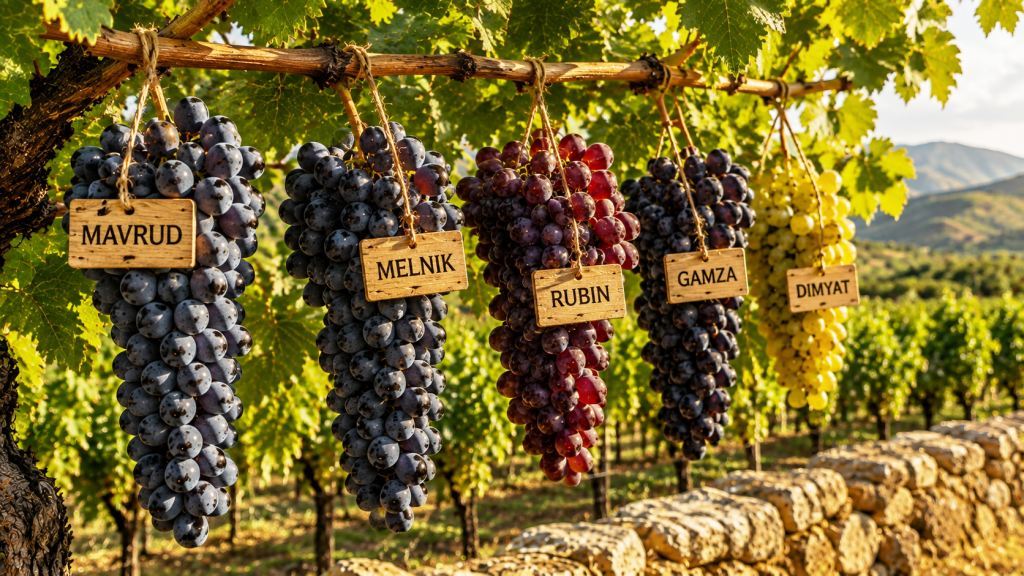
Bulgaria grows international grapes very successfully, and those wines are important because they give a familiar reference point to someone discovering the country for the first time. But the varieties that make Bulgaria hardest to substitute are Mavrud, the Melnik family, Rubin, Gamza, Dimyat, Misket and a number of rarer grapes and crossings. Caroline Gilby has described Mavrud, Rubin and Melnik 55 as the leading contenders whenever people debate whether Bulgaria needs a flagship red variety, while Gamza – known elsewhere as Kadarka or Cadarca – adds another distinctly Balkan voice. The point is not to force one grape to represent an entire country. The more interesting idea is that Bulgaria possesses a vocabulary of grapes through which different regions can speak.
Mavrud is the obvious place to begin. Most closely associated with the Thracian Lowlands around Plovdiv and Asenovgrad, it can produce deeply coloured wines with substantial tannin, dark fruit, spice and the structure to develop with oak and age. It is not an effortless grape – overcropping can make it less convincing, and its tannins can become rustic when poorly handled – which is precisely why good examples are so revealing. A modern Mavrud does not need to be an enormous, heavily oaked wine. Producers increasingly search for freshness and balance alongside concentration. Our Zagreus Mavrud Reserve BIO is a useful classical introduction: 100% Mavrud from the Thracian Lowlands, organically grown and matured for twelve months in Bulgarian oak. Then VINICA Mavrud BIO takes exactly the same grape in a much more unusual direction by concentrating the fruit through drying. That contrast alone shows why asking “What does Mavrud taste like?” can lead to several very different answers.
Travel southwest and the story changes. Broad-Leaved Melnik Vine or Shiroka Melnishka Loza, belongs intimately to the warm Struma Valley around Melnik, Sandanski and Petrich. It is late ripening and difficult enough that even the sunny southwest can test a grower's patience, but it carries a regional identity that almost no international grape can match. Its earlier-ripening descendant Melnik 55, also known as Early Melnik Gape, has become one of the most successful ways of expressing this southern Bulgarian character, usually with ripe red and dark fruit, spice, freshness and softer tannins than the original Broad-Leaved Melnik. Our Melnik 55 Early Melnik Grape gives a clear varietal expression, while the Melnik 55 Reserve shows how the same grape can be pushed towards a deeper, more concentrated style with twenty-four months in French oak. The original Broad-Leaved Melnik can even become sparkling wine: Ancestrale Grand Millésime Brut Reserve is made from the local grape and spends more than six years in contact with its fine lees. That is not the kind of wine most people imagine when somebody says “Bulgarian wine” – which is precisely why it belongs in this story.
Then there is Rubin, a grape that neatly connects Bulgarian tradition with modern experimentation. It was created in Bulgaria from Nebbiolo and Syrah, two varieties with very different but distinguished identities of their own. The result can produce deeply coloured, expressive wines with ripe dark fruit, spice and substantial structure. The Bulgarian Institute of Viticulture and Enology confirms the Nebbiolo × Syrah parentage, while JancisRobinson.com's coverage identifies Rubin as one of the country's leading candidates for flagship status. Our NOBILE Rubin Reserve is matured for twelve months in French oak and gives the variety the kind of serious treatment normally reserved for much more internationally famous grapes.
Discover our wines from Rubin →
Gamza offers almost the opposite experience – generally lighter, fresher and more red-fruited, while our KOTTA 299 Gamza demonstrates how far the variety can be pushed with suitable barrel ageing.
Browse through our wines from Gamza →
Dimyat is Bulgaria's most planted native white variety and the various Misket varieties add aromatic character.
One of the pleasures of opening a bottle of Bulgarian wine is that all these names begin as unfamiliar vocabulary, but quickly become reasons to open another bottle. And this is where the argument for Bulgarian wine becomes very simple. You can find another Merlot almost anywhere in the wine world. You can find another Chardonnay, another Sauvignon Blanc and another Cabernet Sauvignon without trying very hard. Those varieties can still be fascinating in Bulgaria – we will come back to them, but they are not the reason the country is impossible to replace. A bottle of Mavrud takes you towards Thrace; a Melnik takes you to a warm valley in the extreme southwest; a Rubin tells a very Bulgarian story of twentieth-century grape breeding; a Gamza changes the style again.
The more you explore, the less useful it becomes to ask for “the Bulgarian equivalent” of a familiar foreign wine. Bulgarian wine is at its most interesting when it stops needing an equivalent at all.
For a deeper look at these varieties, continue to our overview of the Bulgarian Indigenous Grapes →
Or see our wines from Indigenous Bulgarian grapes →
Is Bulgarian wine actually good or is this simply a good story?
Yes, Bulgaria produces wines that stand up in serious international tastings, but the most convincing evidence is not one medal or one critic; it is the convergence of independent competitions, professional reviews and a growing interest in wines that express Bulgarian grapes and regions.
This distinction matters. A country can have wonderful history, dramatic landscapes and obscure varieties yet still produce ordinary wine. Conversely, one trophy-winning bottle proves very little about an entire national industry. What makes the Bulgarian case more interesting is that recognition now comes from several directions. At the 2025 Decanter World Wine Awards, senior judge Dimitar Nikolov reported 53 awards for Bulgarian wines from a competition that brought together nearly 17,000 wines from 57 countries and more than 240 wine professionals. He specifically noted that, even in blind tasting, native grapes such as Mavrud and Rubin were helping wines from the Balkans communicate stronger regional identity, alongside improving technical precision and balance. Decanter's own 2025 overview describes itself as a competition designed to identify quality across both classic regions and emerging wine countries, with Gold wines subsequently re-tasted at higher judging stages.
The Concours Mondial de Bruxelles gives another useful snapshot. In its 2025 Red and White Wine Session, 7,165 wines from 49 countries were tasted blind by 375 international experts from 56 nations. Bulgarian reds emerged with three Grand Gold medals, another 17 Golds and 13 Silvers. Separate 2025 CMB sessions added further Bulgarian success, including twenty medals for Sauvignon Blanc, while the organisation later reported 73 medals across its wine and spirits programmes for Bulgarian producers that year. The precise numbers matter less than the pattern: Bulgaria is not being judged in isolation or against a sympathetic local benchmark. Its wines are being placed anonymously in international line-ups and are repeatedly earning recognition. That does not mean every Bulgarian bottle is outstanding, nor should anybody pretend it does. It means the country's best producers have moved well beyond the point where quality needs to be defended as a patriotic claim.
The specialist wine press provides a different kind of evidence, because good criticism does more than award points. Jancis Robinson's relationship with Bulgarian wine is particularly useful precisely because it has never been uncritical. In 2003 she wrote about the damage left by the collapse of old markets and fragmented agricultural land. Caroline Gilby's later work for JancisRobinson.com discussed the weaknesses of Bulgaria's appellation system, the difficulties of vineyard management and an industry whose best producers were moving much faster than its structures. That long perspective makes the May 2025 article “Bulgaria at the crossroads” more meaningful. Oliver Coleman was not discovering an idyllic new wine country and declaring everything wonderful. He was looking at an industry whose problems were already well documented and nevertheless identifying a “third wave” of producers making wines worth serious attention. The article was accompanied by contemporary tastings across Bulgarian regions and varieties, including Mavrud, Melnik 55, Rubin, Gamza, Chardonnay, Viognier and other wines.
It is difficult to imagine a better sign of progress than a critical publication moving from asking what is wrong with a wine country to asking which of its new producers and native grapes are becoming genuinely exciting.

That recognition also reaches wines in our assortment. Robinson herself singled out Zagreus Vinica Mavrud in 2010 as an ambitious and successful expression of Mavrud, and the wine continued to be reviewed by JancisRobinson.com in later vintages. In 2025, Oliver Coleman tasted both Santimenti Mavrud from Zagreus Winery and Melnik 55 Early Melnik Grape from Logodaj Winery as part of his Bulgarian coverage. Melnik 55 Early Melnik Grape has recently won the red-wine trophy at the Balkans International Wine Competition while NOBILE Rubin Reserve received a Silver medal at Mundus Vini in 2020 – another large international blind-tasting competition. These examples are useful not because we need medals beside every bottle, but because they connect the broad international story to wines you can actually taste rather than to abstract national statistics.
Our wines have also earned repeated recognition in the Netherlands, where we are based and where we regularly submit different wines to Perswijn and the Proefschrift Wijnconcours – leading wine rankings for the Dutch and Belgian markets. Our Melnik 55 Early Melnik Grape was a finalist in the Perswijn Wijnconcours and received four stars, while Zagreus Vinica Mavrud was also rated “Zeer goed” (Very good). At Proefschrift, wines from our portfolio have repeatedly reached the recognised selections and finals across many editions, including Zagreus Mavrud Reserve , Zagreus Vinica Mavrud, Melnik 55 Early Melnik Grape, Minimum Mavrud, Three Generations Cuvee and Family Collection Mavrud. Most notably, Vinica Mavrud and Family Collection Mavrud have reached the final in successive vintages and competitions. This continuity is more important than any single award: year after year, different Bulgarian wines from our selection have been assessed alongside established international wines and have continued to earn strong recognition from professional Dutch tasting panels.
In 2026, that continuity was confirmed once again. Both VINICA Mavrud 2020 and Family Collection Mavrud 2020 reached the final selection of the 38th Proefschrift Wine Competition, each in a different price category and both in the running for the title Wine of the Year 2026.
At home in Bulgaria, recognition has been equally significant. In the DiVino TOP 50 – one of the country’s most respected annual rankings of Bulgarian wine – Zagreus Vinica Mavrud was named Bulgaria’s No. 1 wine for 2016, while also taking the awards for Best Red Wine and Best Bulgarian Wine from a Local Variety. The achievement was not a one-off: later vintages of VINICA repeatedly returned to the top of the ranking, reaching No. 4 in 2018, No. 3 in 2019, No. 9 in 2022 and again appearing in the TOP 50 in 2024. Other wines from our producers have also featured strongly, with Zagreus Mavrud Reserve ranking No. 7 and MELNIK PRIME Grand Reserve No. 9 in the DiVino TOP 50 for 2021. In the wider Balkan context, Melnik 55 Early Melnik Grape has recently won the Red Wine Trophy at the Balkans International Wine Competition, adding another particularly meaningful result for one of Bulgaria’s distinctive native varieties.
The more interesting conclusion, therefore, is not that Bulgarian wine “wins awards”. Plenty of countries win awards. It is that independent attention increasingly lands on the very things that make Bulgaria distinctive: native grapes, individual regions, smaller producers and wines with a clearer sense of identity. That is why a Gold for Mavrud or a strong review of Melnik matters more to the Bulgarian story than another anonymous international blend performing well. It suggests that Bulgaria does not have to hide behind familiar grape names to demonstrate quality. The future becomes more interesting when the wine is good because of what makes it Bulgarian, rather than despite it.
What does Bulgarian wine taste like and why is there no single answer?
There is no single Bulgarian wine taste because there is no single Bulgarian climate, grape or terroir.
The traditional map divides the country into five principal wine regions – the Danubian Plain in the north, the Black Sea region in the east, the Rose Valley beneath the Balkan Mountains, the Thracian Lowlands in the south and the Struma Valley in the southwest. And even that division simplifies a landscape full of smaller climatic and geological differences. Northern Bulgaria has a stronger continental influence and cold winters; the Black Sea moderates temperatures in the east; the Balkan Mountains form an enormous climatic barrier; southern Bulgaria is generally warmer; and the Struma Valley opens towards Greece and feels distinctly Mediterranean compared with much of the country. Bulgaria's Ministry of Tourism still uses this five-region framework when explaining the country's wine landscape, precisely because it makes the diversity easy to understand.
That geography quickly becomes visible in the glass. The Thracian Lowlands are naturally associated with Mavrud and Rubin, but they also support Merlot, Cabernet Sauvignon, Syrah and many white varieties. The Struma Valley is the spiritual home of the Melnik grapes, where warm conditions allow varieties that would struggle further north to ripen, yet the region is not limited to powerful reds. Our Bijoux, for example, is a fresh blend of Sauvignon Blanc, Sémillon and Chardonnay from the Struma Valley, while NOBILE Chardonnay Barrel Reserve takes Chardonnay in a richer direction through barrel fermentation and six months in French oak. From the red classics, HYPNOSE Merlot Reserve takes Merlot in a powerful and luxurious direction, with 18 months in new French oak producing a rich, full-bodied wine with dark fruit, chocolate, vanilla and a long velvety finish. These wines are useful reminders that indigenous grapes are not the whole Bulgarian story. International varieties can act as a familiar doorway into the country while revealing how different regional conditions and winemaking decisions alter grapes you already know.
The north offers another personality. Gamza can give lighter, fresher reds based more on red fruit and acidity than the darker power often associated with Mavrud and Rubin, while the cooler east and Black Sea influence have long favoured white varieties. Dimyat, Misket and aromatic international grapes contribute fresh, floral or citrus-driven styles; elsewhere producers are making rosé, pét-nat, orange wine, low-intervention wines, natural wines or serious sparkling wines. Broad-Leaved Melnik is a particularly good example of how dangerous assumptions can be: a grape that many people would associate automatically with a rustic southern red can also become the elegant Ancestrale Grand Millésime sparkling wine mentioned earlier. The more Bulgarian wine you taste, the less convincing broad statements such as “Bulgarian reds are powerful” or “Bulgarian wine tastes like…” become. The diversity is the point.
So if you are approaching Bulgaria for the first time, it may be more useful to ask what kind of wine you already enjoy and then decide how far from familiar territory you want to travel. A barrel-fermented Chardonnay gives you an obvious reference point. BIJOUX offers a white blend built from three international varieties. Mavrud Reserve introduces an indigenous grape in a classical dry red form, while VINICA takes the same grape somewhere much more adventurous. Melnik 55 is different again, Rubin has its own combination of depth and perfume, and Gamza can overturn expectations of Bulgarian red wine completely. That progression – familiar, then different, then genuinely unexpected – is one of the easiest ways to understand why Bulgaria rewards exploration.
For more details on where these styles come from, continue to:
Bulgarian Wine Regions → or The Bulgarian Terroir →
Why is now such a good time to discover Bulgarian wine?
Because Bulgaria is at that rare point where centuries of wine culture, modern technical knowledge and renewed confidence in local identity are coming together, while international recognition has yet to catch up with the quality its wines can offer.
Established wine regions have one great advantage: everybody knows what to expect. Mention Barolo, Rioja, Champagne or Napa Cabernet and most serious wine drinkers already have a mental picture before the cork is pulled. Bulgaria still gives you more room for surprise. Its best producers are working out which vineyards deserve greater attention, how native grapes should be handled, how much oak they really need, whether old techniques can be revived, and how international varieties fit into a country increasingly confident in its own grapes. Critics are beginning to document that process while it is happening rather than after the story has already settled into a textbook.
There is also something particularly attractive about discovering a wine country at this stage. You can taste Mavrud without decades of prestige pricing surrounding the name. You can encounter Melnik 55 because somebody recommended the grape rather than because a famous appellation has told you that you should admire it. You can drink a charming Melnik, a serious Rubin, an organic barrel-aeged Mavrud or even a Mavrud wine from dried grapes delicious Gamza or a sparkling Broad-Leaved Melnik and still have to explain to friends what is in the glass. That unfamiliarity, which once looked like Bulgaria's disadvantage, can become one of its greatest pleasures. Wine is partly about knowledge, but it is also about the pleasure of opening a bottle and discovering something you did not expect.
So what is the best reason to try Bulgarian wine?
Curiosity – supported by enough history, quality and individuality to make that curiosity worthwhile.
You do not need to buy Bulgarian wine because somebody tells you it is “the next big thing”, and Bulgaria does not need to be presented as the new France, Italy or Spain. It already has a different story. There is prehistoric evidence linking people with winemaking, an extraordinary Thracian wine culture, the memory of a twentieth-century export industry that made Bulgarian wine familiar for reasons that later became a limitation, and a modern generation of producers working from those same landscapes to build a more clearly defined Bulgarian wine identity. It has grapes with names you may not know, regions you may never have visited and increasingly convincing evidence that Bulgarian wines can stand confidently alongside international competition.
Perhaps that is the most enjoyable position a wine country can occupy. Familiar enough that there is serious knowledge, infrastructure and experience behind the bottle, but unfamiliar enough that you can still be surprised. You might begin with the dark fruit and spice of Mavrud, discover the southern character of Melnik, wonder how Nebbiolo and Syrah became the Bulgarian grape Rubin, or what the grape Gamza actually is, then find yourself drinking a Chardonnay from the Struma Valley or sparkling wine from Broad-Leaved Melnik. One bottle answers a question and creates another. The winery leads to the grape, the grape leads to the region, and the region leads to another bottle.
That is exactly why we created Bulwine.com. Not to convince you that every Bulgarian wine is extraordinary, but to select wines that give you a reason to keep exploring – a distinctive local grape, an interesting terroir, an unusual winemaking idea, an independently recognised bottle or simply a wine that tastes far better than its lack of international fame would suggest. If this article has made you wonder what Mavrud, Melnik or Rubin actually tastes like, the article has already done its job. From here you can explore the full world of Bulgarian wine, discover its indigenous grape varieties, travel through its wine regions – or simply choose a bottle and start there.
And if you still don't know where to start from, try some of our most valued wines:
Our Top 20 Wines of Bulgaria →
Because the best way to understand Bulgarian wine is still the simplest one: taste it.
Bulwine.com – For our international customers across Europe and the UK
Bulwine.com is our international webshop dedicated to bringing exceptional Bulgarian wines to wine lovers across Europe. Based in The Hague, Netherlands, we choose and import our wines directly from the wine producers and ship from our own warehouse to our customers in all EU countries and the UK. You can expect outstanding service, reliable delivery and of course a carefully curated selection. Our goal is to bring the rich world of Bulgarian wine closer and make it easily accessible to wine lovers across Europe.
We believe our portfolio offers a valuable addition to the diverse European wine landscape – distinctive wines from Bulgaria that easily rival well-known wine countries like France, Italy, or Spain, while offering a unique character of their own. For adventurous wine lovers looking beyond the familiar labels and grape varieties, Bulgaria holds an incredible amount to discover.
Because wine enthusiasts across Europe and the UK deserve to discover, explore, and appreciate the quality, diversity, and authentic character of Bulgarian wine.