Bulwijn.nl
 Bulwijn.be


Bulgarian Wine: Discover the Wines of Bulgaria
Discover the wines of Bulgaria
Bulgarian wine is no longer only a story about its past. It is a living, evolving wine culture with a place in the modern world.
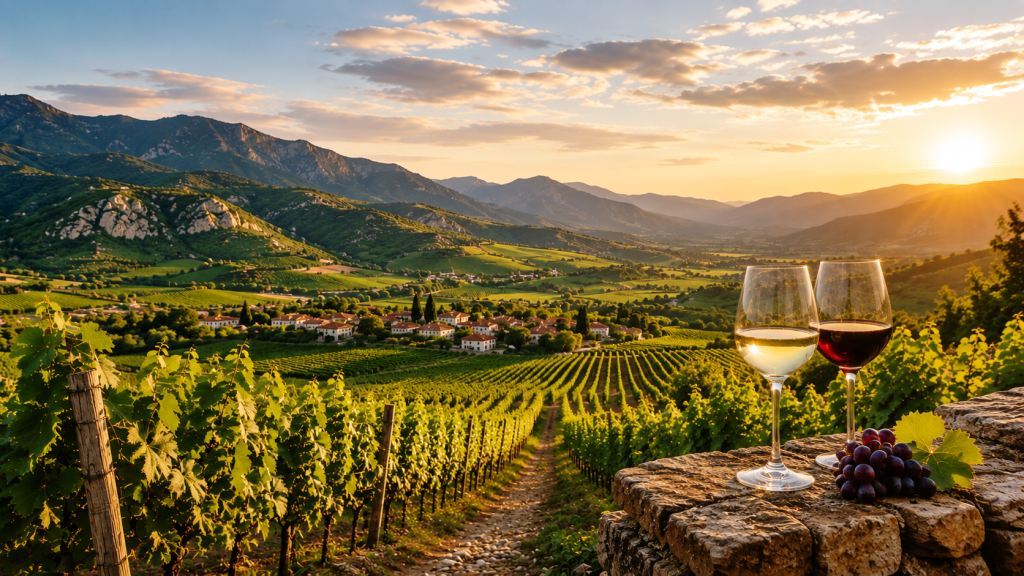
Bulgaria may not be the first country that comes to mind when you think of great European wine. For many people, Bulgarian wine still carries an outdated image of inexpensive mass-market bottles from the 1980s and 1990s. That picture, however, no longer reflects the reality. Over the past two decades, Bulgarian wine has undergone a remarkable transformation, with modern wineries, improved vineyard management, renewed interest in indigenous grape varieties and a growing focus on quality, authenticity and terroir. Today, Bulgaria is producing distinctive wines that deserve a place on the international wine map.
Wine is deeply woven into Bulgarian life and culture. Vineyards stretch across the country, from the Danube Plain and the Black Sea coast to the Thracian Lowlands and the valleys of south-western Bulgaria. Alongside established modern wineries, there is also a long tradition of small family vineyards and home winemaking. Ancient grape varieties and local knowledge now coexist with contemporary cellar technology, careful vineyard management and a new generation of ambitious producers.
From the powerful Mavrud of the Thracian Lowlands to the distinctive wines of Melnik in the Struma Valley, the fresh whites of the Black Sea region and the elegant Gamza of northern Bulgaria, Bulgarian wine offers remarkable diversity in grapes, climates, landscapes and wine styles. For us at Bulwine.com, this is what makes Bulgaria so fascinating: there is always another grape, region, winery or style to discover.
Explore Bulgarian wine with us – from the grape and the vineyard to the bottle.
Why Bulgarian wine is worth discovering
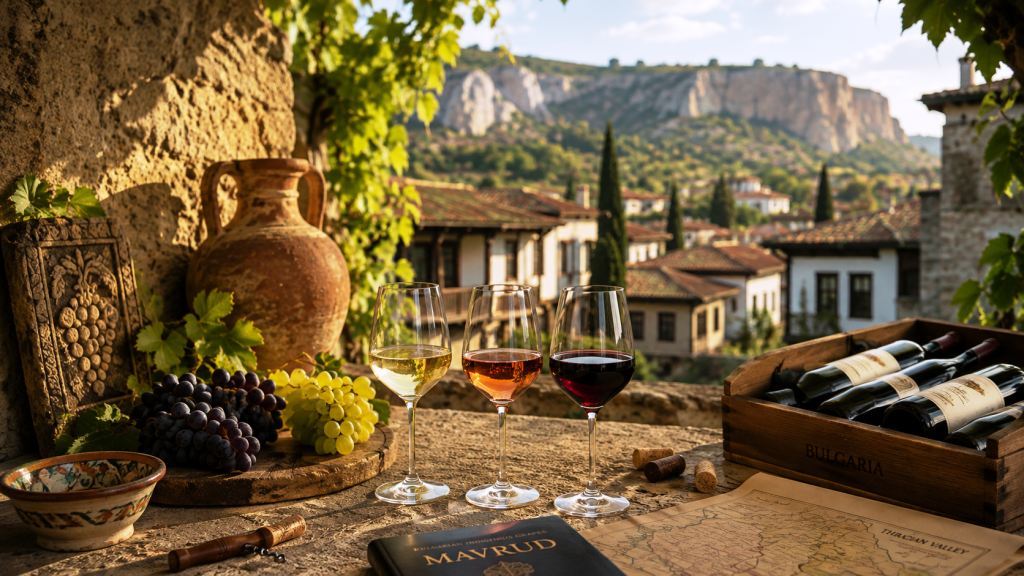
Bulgaria has many of the ingredients that make a wine country fascinating: a long viticultural history, diverse landscapes, varied climates, old vineyard traditions and a collection of indigenous grape varieties that are rarely encountered elsewhere. Situated in south-eastern Europe between the Danube and the Black Sea and south of the Balkan Mountains, Bulgaria sits at a geographical crossroads where continental, Balkan and Mediterranean influences meet.
This geography creates a remarkable range of growing conditions. The north is generally more continental, while southern areas are warmer and some south-western valleys experience a distinctly Mediterranean influence. The Black Sea moderates the climate in the east, while mountains, valleys, rivers, altitude, soils and exposure create further differences from one wine area to another. The result is not one single Bulgarian wine style, but a collection of regional expressions with their own character.
There is another reason Bulgaria is especially rewarding for wine lovers: discovery. Many of the country's indigenous grape varieties are still little known beyond the Balkans, yet they can produce wines of remarkable character. Alongside them, Bulgaria's vineyards are home to familiar international varieties, which take on their own expression in local conditions. You can therefore move easily between wines that feel recognizable and others that offer something completely new.
For anyone looking beyond the established wine countries, that combination of familiarity and discovery is one of Bulgaria's greatest attractions.
Read more about Why Bulgarian Wine →
A wine tradition that goes back centuries
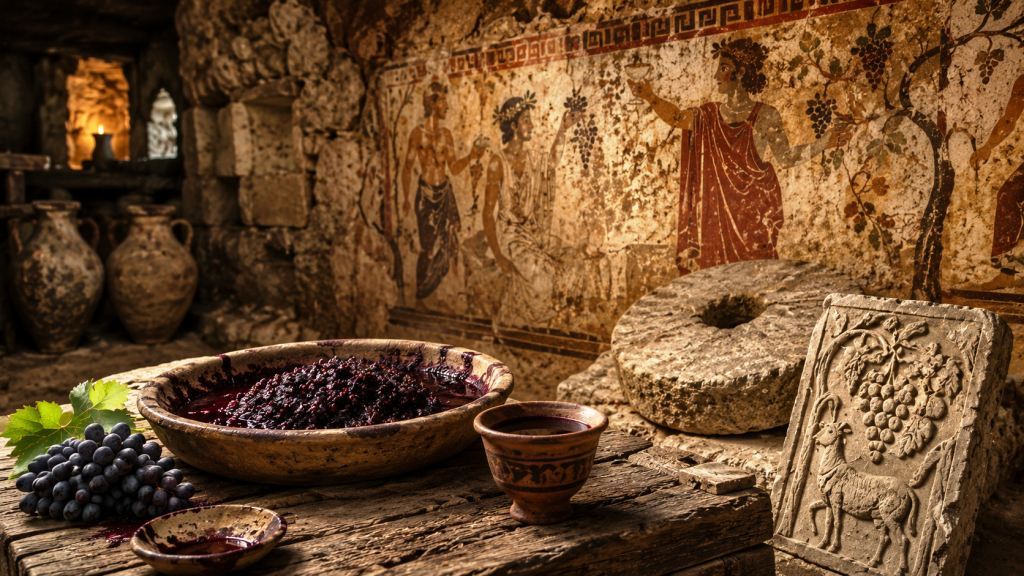
Wine has deep roots in the lands of present-day Bulgaria. The ancient Thracians cultivated vines and used wine not only for drinking, but also in religious and ceremonial life. Archaeological discoveries, ancient vessels and written references all testify to the importance of wine in Thracian culture.
The Thracian connection remains part of Bulgaria's wine identity today. Even the name Zagreus, associated with the ancient Thracian world and its wine culture, continues to appear in modern Bulgarian winemaking. Over the centuries, viticulture and winemaking developed through changing empires, political systems and economic conditions, while the late nineteenth and early twentieth centuries laid important foundations for modern Bulgarian wine production.
The twentieth century then brought large-scale wine production and significant international exports. Bulgarian wine became particularly visible on foreign markets, but mass production also contributed to the perception of Bulgarian wine as inexpensive rather than distinctive. That perception is changing. Today's Bulgarian wine scene is increasingly characterised by quality, regional identity, indigenous grapes and ambitious smaller wineries alongside established producers.
The country's modern wine story is therefore not about abandoning the past. It is about rediscovering what was valuable in that past and combining it with new ideas, better vineyard management and a more confident approach to quality.
Discover more about Wine Tradition in Bulgaria →
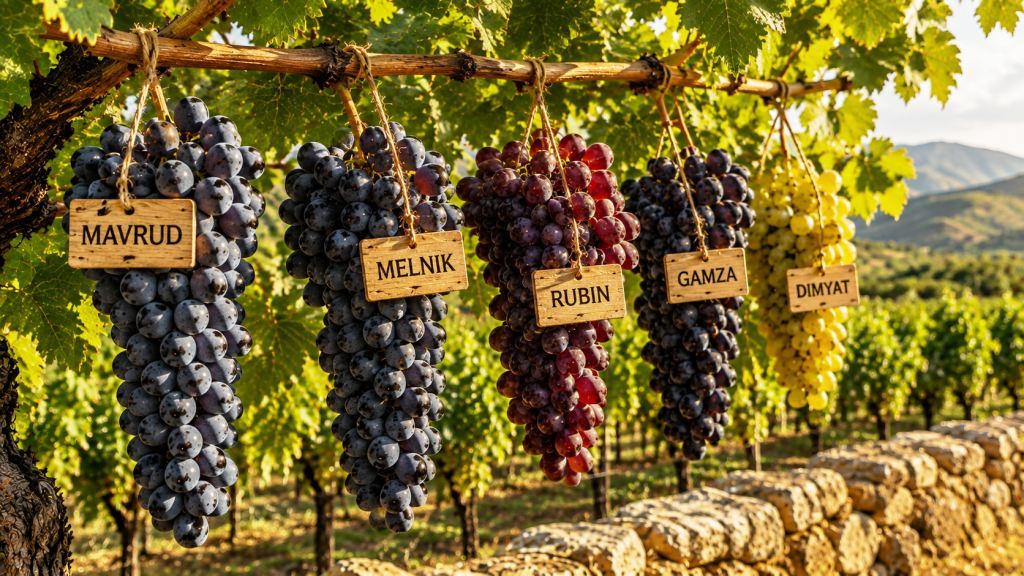
Bulgarian indigenous grape varieties
One of the most exciting reasons to explore Bulgarian wine is the country's collection of indigenous grape varieties. For anyone who wants to understand Bulgarian wine, these grapes are an excellent place to start because they provide a direct connection between the wine in the glass and the place where it was grown.
International varieties such as Cabernet Sauvignon, Merlot, Cabernet Franc, Syrah, Pinot Noir, Chardonnay and Sauvignon Blanc are widely planted and can produce excellent wines in Bulgaria. But the indigenous varieties often reveal the country's identity most clearly. They are the grapes that make it possible to discover Bulgaria through wine rather than simply discovering familiar varieties grown somewhere else.
Red grape varieties
Mavrud is perhaps the best-known Bulgarian red grape. Deeply coloured, structured and naturally suited to oak ageing, it can produce powerful yet balanced wines with dark fruit, spice, freshness and considerable depth.
Melnik and its two clones – Broad-Leaved Melnik Vine and Early Melnik Grape (Melnik 55), are strongly associated with the Struma Valley in south-western Bulgaria. They produce wines with ripe fruit, spice, freshness and a distinctive southern character, from charming and approachable expressions to serious, long-aged reds.
Rubin is a Bulgarian crossing that has become an important modern indigenous variety. It can produce deeply coloured, rich and expressive wines with intense fruit and strong ageing potential.
Gamza, traditionally associated with northern Bulgaria, produces a very different style: generally lighter, fresher and more elegant, with a strong red-fruit character.
Other Bulgarian red varieties and crossings include Pamid, Ruen, Bouquet and Evmolpia, each contributing another piece to the country's wine identity.
White grape varieties
Bulgaria also has a fascinating collection of indigenous white varieties.
Dimyat is one of the country's best-known white grapes and is particularly associated with eastern Bulgaria and the Black Sea region. It can produce fresh, aromatic wines with lively acidity and character.
Misket, including Red Misket, is associated particularly with the Rose Valley and is known for its aromatic expression.
Tamyanka, Bulgaria's local name for a Muscat-related variety, can produce highly aromatic and expressive wines.
Other local varieties include Sandanski Misket, Vrachanski Misket and Keratzuda, together with several rarer regional grapes.
For us, these varieties are much more than names on a label. They are a way of discovering Bulgaria through wine.
Explore our Bulgarian Grapes and discover wines made from indigenous Bulgarian varieties →
International grape varieties in Bulgaria
Bulgaria's wine identity is not built exclusively around local grapes. International varieties are an important part of the country's modern wine industry and offer an interesting point of reference for anyone discovering Bulgarian wine for the first time.
Cabernet Sauvignon, Merlot, Cabernet Franc, Syrah and Pinot Noir are widely planted among the reds, while Chardonnay, Sauvignon Blanc, Muscat and Pinot Gris are among the better-known white varieties. The Bulgarian climate and varied terroirs allow these grapes to develop their own local expression, often showing a combination of familiar varietal character and distinctly Bulgarian conditions.
Blending local and international grapes can be particularly successful. Merlot, for example, can add softness and roundness to Mavrud, while Cabernet Sauvignon can contribute structure and depth to a blend based on an indigenous variety. International white varieties can likewise be blended with Bulgarian grapes to create wines that are both accessible and unmistakably connected to their origin.
For the wine lover, this creates an enjoyable balance: familiar grapes provide a point of reference, while indigenous varieties offer something genuinely new.
See all our wines →
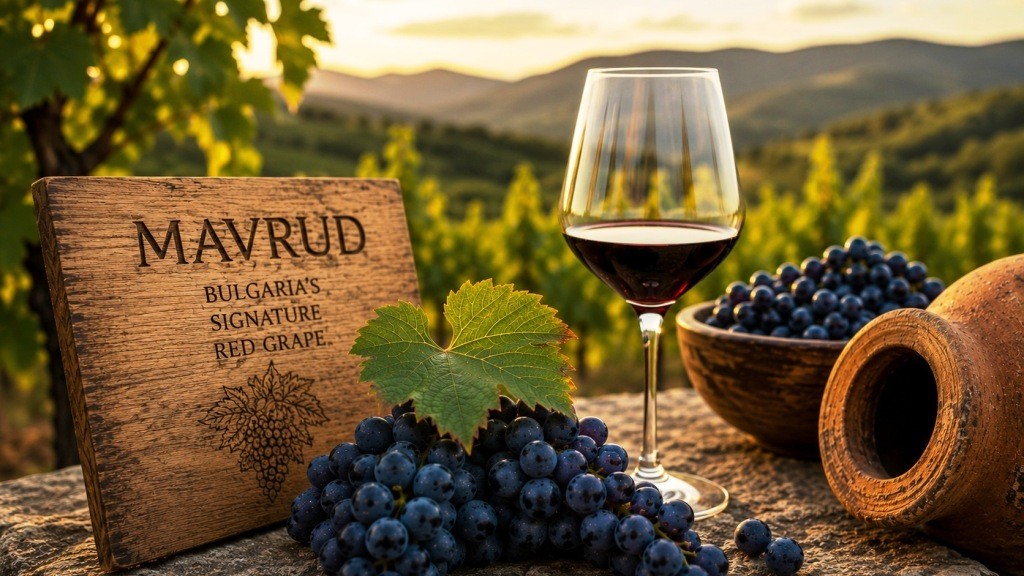
Mavrud – the signature Bulgarian red grape variety
If there is one grape that deserves special attention when discovering Bulgarian wine, it is Mavrud.
Mavrud is one of Bulgaria's oldest and most distinctive indigenous red varieties, particularly associated with the Thracian Lowlands around Plovdiv and Asenovgrad. It produces deeply coloured wines with structure, fresh acidity and characteristic aromas of dark fruit, blackberry, plum and spice. With ageing in oak, Mavrud can develop additional depth, softness and complexity.
It is also a remarkably versatile grape. Mavrud can be found in powerful, oak-aged reds and elegant contemporary expressions, but also in rosé wines and even white wines made by pressing the grapes without prolonged skin contact. This diversity makes Mavrud one of the most interesting grapes through which to explore the evolution of modern Bulgarian wine.
Wines made from dried grapes
And there is another particularly fascinating side to Mavrud: wines made from dried grapes.
By drying the grapes before fermentation, winemakers allow them to lose water and concentrate their sugars, flavour and extract. The resulting wines have remarkable richness, depth and intensity. The technique is reminiscent of the appassimento method used for wines such as Amarone in Italy, but these remain distinctly Bulgarian wines, shaped by Mavrud, Bulgarian terroir and local winemaking traditions.
Our VINICA Mavrud and FAMILY COLLECTION Mavrud are examples of this style. They show how the indigenous Bulgarian grape Mavrud can produce deeply concentrated, complex wines with a character that is entirely its own.
Discover Mavrud – the most distinctive Bulgarian grape →
Explore our wines made from dried grapes →
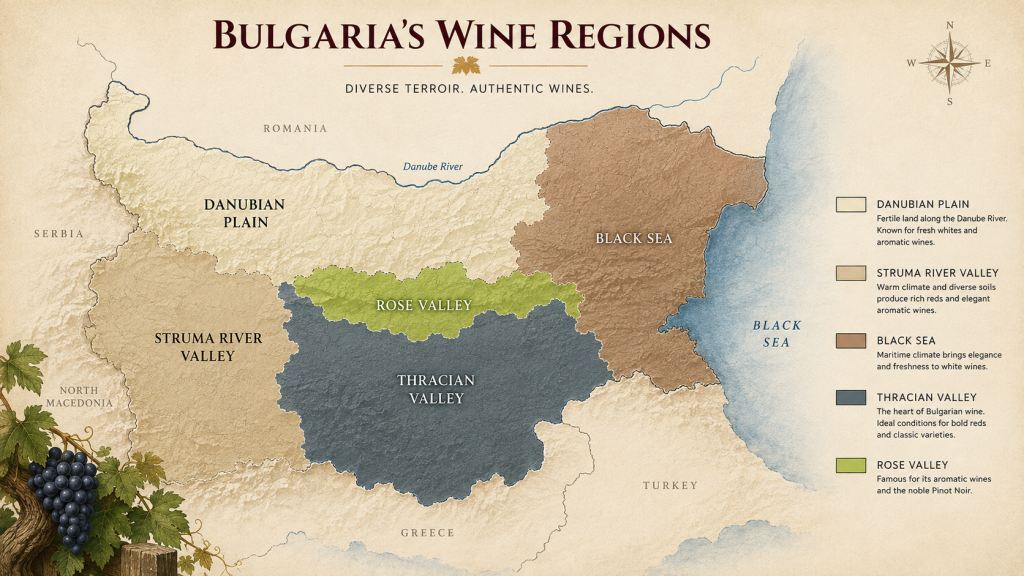
Bulgaria's wine regions
Bulgaria's wine landscape is far more diverse than its relatively modest size might suggest. For a broad overview, the country can be divided into northern and southern wine areas, while the more detailed wine map includes several major regions and distinctive sub-regions. Each has its own combination of climate, soils, altitude, grape varieties and local traditions.
Danube Plain – Northern Wine Region
The Danube Plain stretches across northern Bulgaria between the Danube River and the Balkan Mountains. Its predominantly continental climate, hot summers and cold winters create conditions particularly suited to white varieties, but the region is also known for indigenous red grapes such as Gamza. Lovico Suhindol is one of the wine producers we work with in this wine region
Black Sea – Eastern Wine Region
Eastern Bulgaria is strongly influenced by the Black Sea, which moderates the climate and creates favourable conditions for white grape varieties. Dimyat, Muscat-related varieties, Rkatsiteli, Chardonnay, Sauvignon Blanc and other aromatic grapes are widely represented here. The region is particularly interesting for fresh, aromatic and elegant white wines.
Sub-Balkan and Rose Valley
South of the Balkan Mountains lies the Sub-Balkan region, including the Rose Valley. The area is particularly associated with aromatic varieties such as Red Misket, while the surrounding mountain landscapes create distinctive growing conditions. The result can be fresh, expressive wines with a clear regional character.
Thracian Lowlands – Southern Wine Region
The Thracian Lowlands are the heartland of many of Bulgaria's most important red wines. The region is strongly associated with Mavrud, but also with Rubin and international varieties including Merlot, Cabernet Sauvignon and Syrah.
Warm conditions, varied soils and the protection provided by the surrounding mountains create an environment capable of producing rich, structured and expressive wines. This is also where you will find Zagreus Winery, one of the producers represented in our range.
Struma Valley – South-Western Wine Region
The Struma Valley has a distinctly warmer, Mediterranean-influenced climate and is the home of the Broad-Leaved Melnik Vine and the Early Melnik Grape. Wines from these grapes combine ripe fruit and spice with freshness and structure. The town of Melnik itself has become one of the most recognisable names on Bulgaria's wine map. Here you will find Logodaj Winery, widely present in our assortment.
The character of these regions is one of the reasons Bulgarian wine can be so diverse within a relatively compact country.
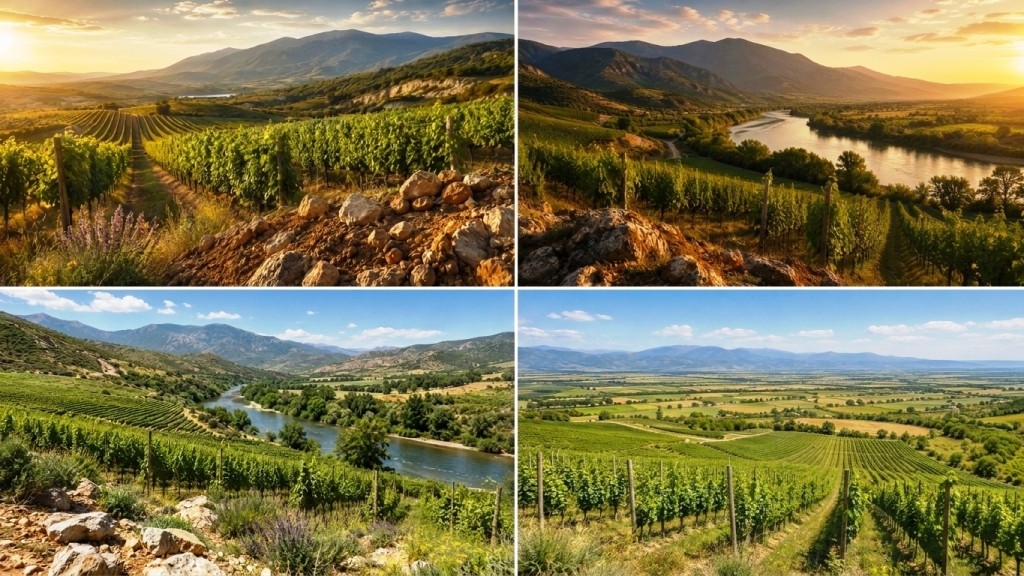
Bulgarian terroir – where climate, soil and geography meet
There is no single Bulgarian terroir.
The country's vineyards stretch from the Danube Plain to the Black Sea and from the Thracian Lowlands to the Mediterranean-influenced Struma Valley. Mountains, rivers, altitude, soils, slope and exposure all contribute to different growing conditions.
The Balkan Mountains form an important climatic divide. Northern Bulgaria has a stronger continental influence, while the south is generally warmer and increasingly influenced by Mediterranean conditions. The Black Sea has its own moderating effect in the east, while the south-western Struma Valley benefits from a warmer climate.
Soils vary considerably too, from fertile alluvial soils to limestone, sandstone and other mineral-rich substrates. In combination with slope, drainage, altitude and exposure, these conditions influence how quickly grapes ripen and how much fruit, acidity, tannin and structure they develop.
This diversity helps explain why Bulgarian wines can be so different from one another, even when they are made from the same grape variety.
Read more about The Bulgarian Terroir →
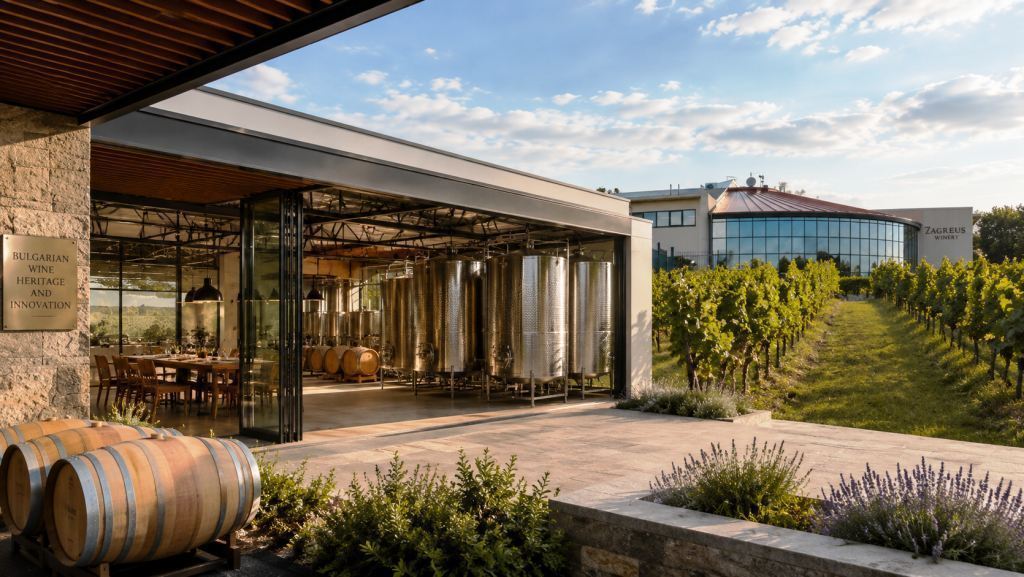
From tradition to modern Bulgarian winemaking
Bulgarian wine is not simply a revival of the past.
Modern Bulgarian wineries are combining traditional grape varieties and local knowledge with contemporary cellar technology, careful vineyard management and a stronger focus on expressing individual terroir. For some producers, this means precise modern wines made from indigenous grapes. For others, it means organic viticulture, spontaneous fermentation, low-intervention winemaking, natural wines or a return to traditional methods.
There is no single Bulgarian approach to winemaking. Some producers work with sophisticated modern facilities and tightly controlled production; others deliberately embrace older techniques, native fermentations and minimal intervention. Some focus strongly on indigenous varieties, while others explore how international grapes express themselves in Bulgarian conditions.
This mixture of old and new is perhaps the most exciting thing about Bulgarian wine today. The country's winemakers are not simply looking backwards at tradition – they are using tradition as a starting point for innovation.
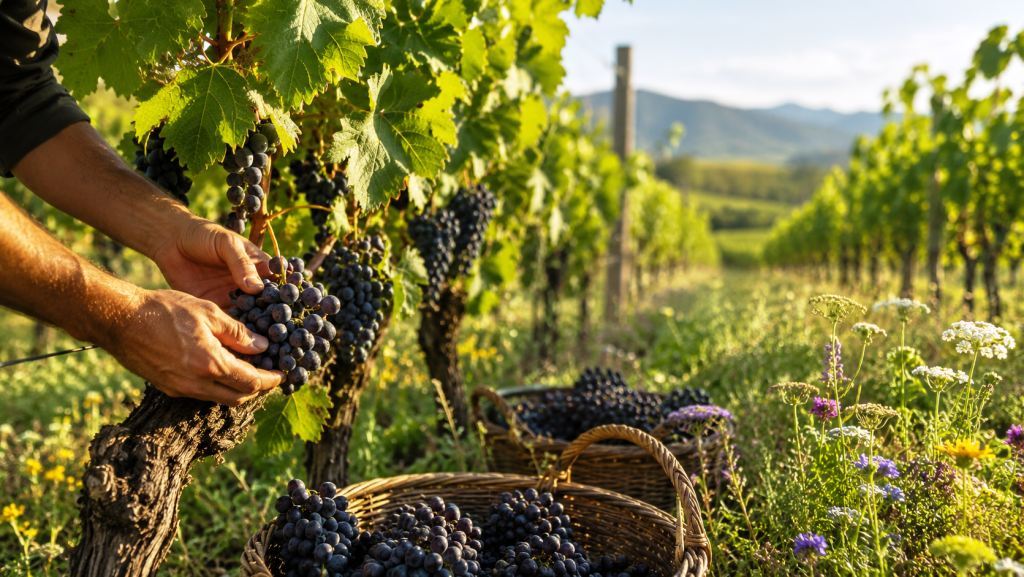
Organic, low-intervention and natural wines
The evolution of Bulgarian wine is also visible in the growing interest in organic, low-intervention and natural wines.
Organic wine begins in the vineyard. Healthy soils, biodiversity and careful vineyard management form the foundation, with certified organic producers working according to European standards. For many wineries, organic farming is part of a broader philosophy of respecting the vineyard and allowing healthy, expressive grapes to reach the cellar. Zagreus Winery, for example, has cultivated its vineyards according to European organic farming standards since 2010, with its wines organically certified from the 2013 vintage onwards.
Low-intervention winemaking takes this philosophy further into the cellar. The aim is to interfere as little as possible with the natural development of the wine. Depending on the producer, this may involve spontaneous fermentation, native yeasts, minimal additions, gentle handling, limited filtration or little or no added sulphur. The common idea is to avoid unnecessary manipulation and allow the character of the grape and terroir to remain visible in the finished wine.
Natural wine is best understood as a philosophy rather than a fixed style. Natural wines generally focus on spontaneous or natural fermentation, minimal intervention and preserving the character of the grapes without excessive technological manipulation. The results can range from delicate and fresh to deeply expressive and unconventional.
For wine lovers, these wines offer yet another way to explore Bulgaria – particularly when producers apply such approaches to indigenous varieties.
Discover BIO/Organic Wines from Bulgaria →
Explore Low-Intervention Wines from Bulgaria →
Discover Natural Wines from Bulgaria →
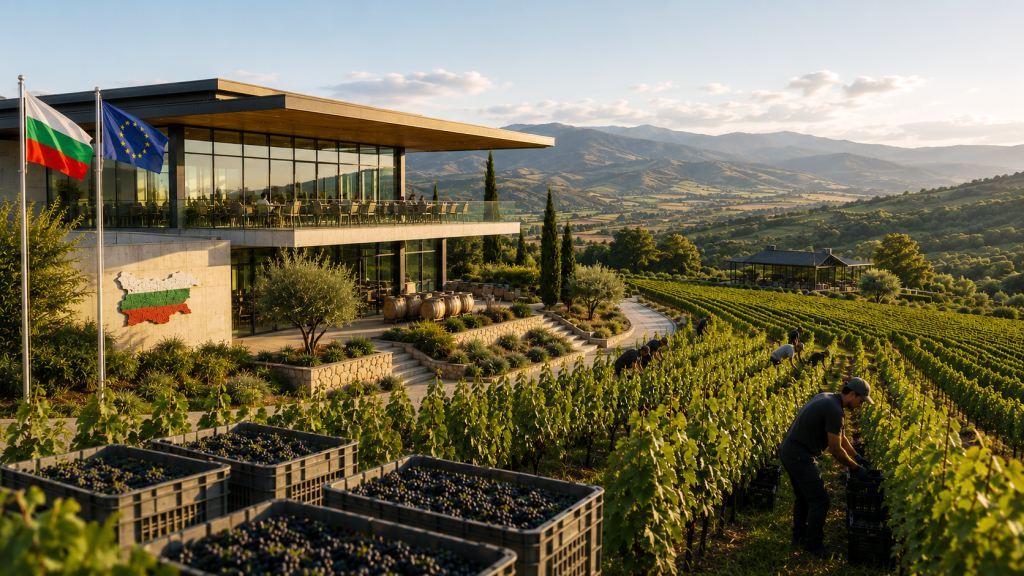
Bulgarian wineries – from established producers to boutique estates
The Bulgarian wine industry today is remarkably diverse. There are established wineries with substantial vineyards and modern production facilities, alongside smaller producers working with limited quantities and a strong focus on individual vineyards, native varieties and craftsmanship.
This diversity matters because the character of Bulgarian wine is not determined by grape variety or region alone. The winemaker also plays a crucial role – deciding when to harvest, how to ferment, whether to use oak, how long to age the wine and how much intervention is appropriate.
Many Bulgarian wineries maintain a particularly close connection between vineyard and winery. Producers such as Zagreus Winery, for example, work with grapes from their own vineyards, allowing close control of the process from vine to bottle.
At Bulwine.com, we select producers whose wines offer something worth discovering – an exceptional expression of an indigenous grape, an interesting terroir, a distinctive winemaking approach or simply an outstanding wine at an attractive price. We like producers that improve and develop with time. Also important – our winemakers must be able to offer constant quality with every new vintage.
Meet the Bulgarian Wineries behind our wines →
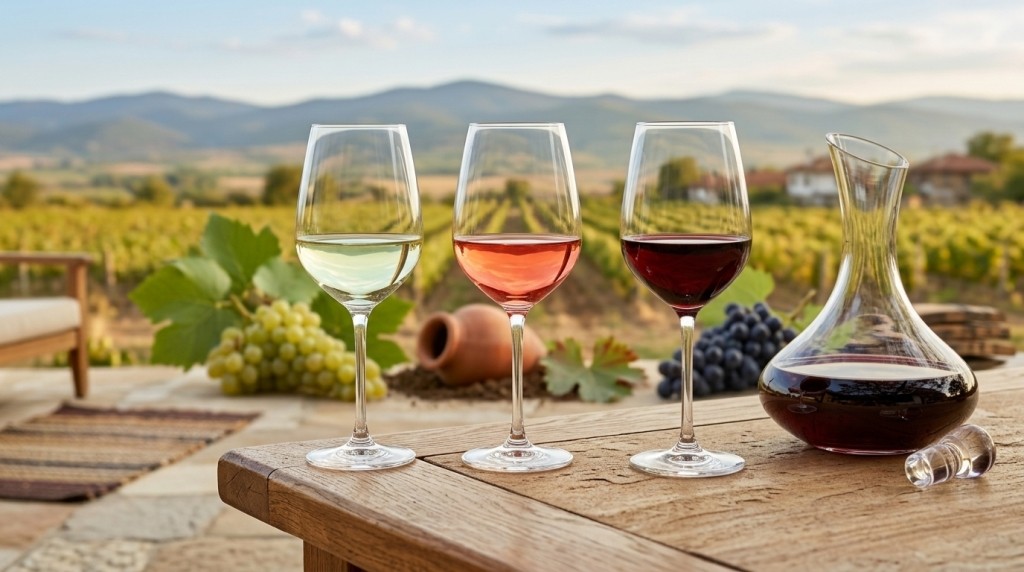
What does Bulgarian wine taste like?
There is no single answer. And that is precisely the point.
Bulgarian red wines can range from light and fresh to rich, structured and oak-aged. Mavrud and Rubin can produce deep, powerful wines, while Gamza can offer a fresher and more elegant style. Melnik brings its own combination of ripe fruit, spice, freshness and southern warmth.
Bulgarian white wines can be fresh, aromatic and lively, with indigenous varieties such as Dimyat, Misket and Tamyanka offering flavours and aromas that can be quite different from the better-known international varieties.
There are also elegant rosés, sparkling wines, orange wines and natural wines, as well as remarkable reds made from dried grapes. Some Bulgarian wines are delicious from the moment you open them; others reveal more complexity with time in the glass or after careful ageing.
So rather than asking what “Bulgarian wine” tastes like, it is perhaps more useful to ask: Which Bulgarian wine would you like to discover?
That is where the real adventure begins.
Explore wines that have received professional reviews, ratings and recognition at international wine competitions:
Discover our professionally reviewed & award-winning wines →
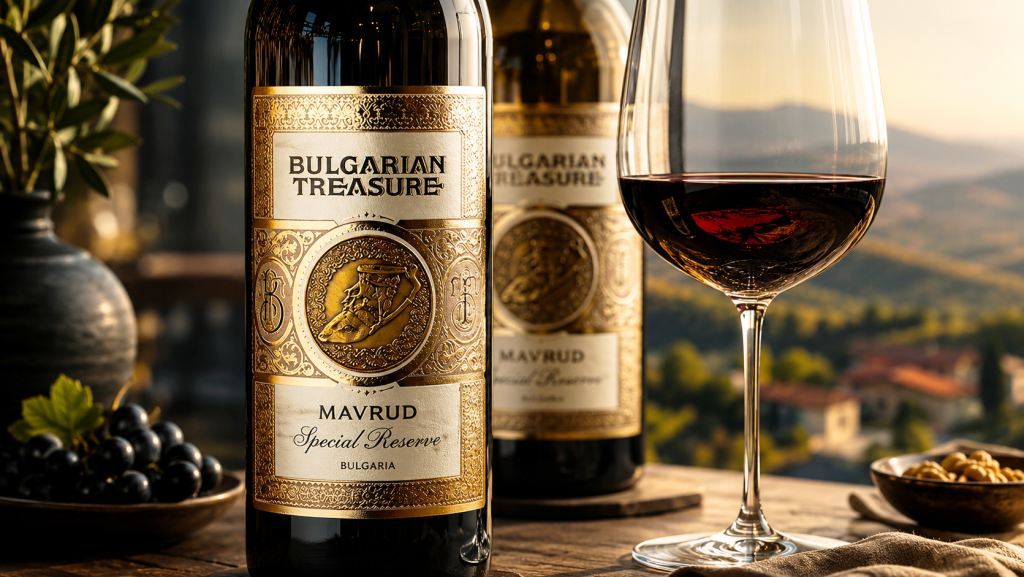
Bulgarian wine today
Bulgaria is an established wine-producing country with a substantial domestic market and a growing international presence. The contemporary industry combines established producers with smaller wineries, renewed interest in indigenous varieties and increasing attention to quality, regional identity and new approaches to winemaking.
As of February 2026, 365 officially registered wineries operate in Bulgaria. This was stated by Krasimir Koev, Executive Director of Bulgaria's Executive Agency for Vine and Wine. The latest figures cited in our current content record more than 25,600 hectares of wine-grape vineyards and around 66 million litres of wine produced in 2025, underlining the scale of Bulgaria's wine sector. But numbers tell only part of the story.
What makes Bulgarian wine particularly interesting today is the combination of old grapes, diverse terroirs and a new generation of winemakers who are increasingly confident in expressing what makes their country different.
The result is a wine scene that rewards curiosity.
And if that curiosity has been sparked, the next question is the obvious one:
Why Bulgarian Wine? The Wine You Didn't Know You Were Missing →
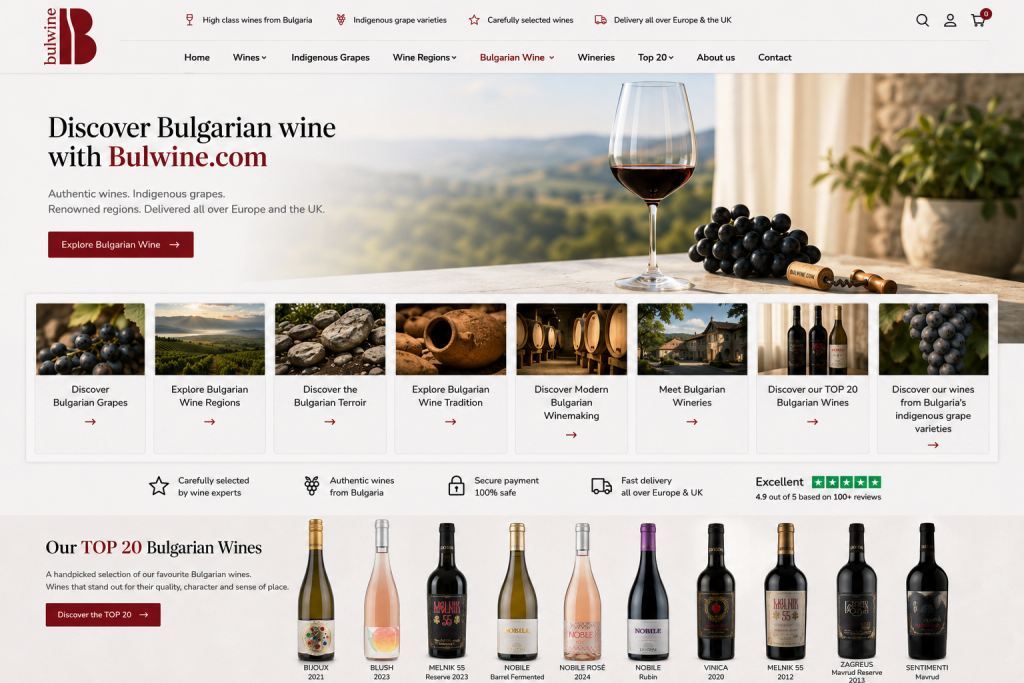
Discover Bulgarian wine with Bulwine.com
We created Bulwine.com for people who want to discover something beyond the usual wine regions.
Our selection brings together authentic Bulgarian wines from carefully selected wineries and renowned wine regions, with a particular focus on indigenous Bulgarian grape varieties. We look for wines that tell you something about Bulgaria – through an indigenous grape, a distinctive terroir, a traditional technique, a talented winemaker or simply an unexpectedly good bottle that deserves to be discovered.
Whether you are looking for your first bottle of Mavrud, want to explore Melnik, Rubin or Gamza, are curious about Bulgarian natural wines, or simply want to discover a well-made bottle from a lesser-known European wine country, there is plenty to explore.
Explore Bulgaria through wine
Start with the grapes and discover how Bulgaria's indigenous varieties express themselves in the bottle.
Discover Bulgarian Grapes →
Explore the country's wine regions and understand how climate, landscape and terroir shape the wines.
Explore Bulgarian Wine Regions →
Go deeper into the geography, climate and soils that make the country's wine regions so diverse.
Discover the Bulgarian Terroir →
Travel back through the centuries and discover the ancient roots of Bulgarian viticulture and winemaking.
Explore Bulgarian Wine Tradition →
Discover how today's Bulgarian winemakers combine tradition, technology and new approaches.
Discover Modern Bulgarian Winemaking →
Meet the producers behind the wines in our selection.
Meet Bulgarian Wineries →
And when you are ready to taste, explore our carefully selected wines.
Discover our TOP 20 Bulgarian Wines →
The TOP 20 is a natural starting point for anyone who wants us to do some of the searching for them – a selection of wines we consider particularly interesting, enjoyable and representative of the quality and diversity you can find in Bulgaria.
Or choose from our range of wines made from indigenous Bulgarian grapes.
Discover our wines from Bulgaria's indigenous grape varieties →
Explore our selection of wines made from Bulgaria’s most distinctive indigenous grapes – from Mavrud and Melnik to Rubin, Gamza and Dimyat.
A final word about Bulgarian wine
Bulgaria is not trying to become another France, Italy or Spain.
And that is exactly what makes it interesting.
Its greatest strength lies in its own identity: indigenous grapes, distinctive regions, diverse terroirs and a wine tradition that continues to evolve.
Some Bulgarian wines will surprise you with their elegance. Others with their power. Some with their freshness, others with grape varieties you may never have encountered before. There are wines rooted firmly in tradition and others that show just how confidently Bulgaria is embracing modern winemaking.
The best way to discover them is taste, one bottle at a time.
Welcome to the world of Bulgarian wine!
Bulwine.com – Your Bulgarian wine specialist in Europe and the UK
Bulwine.com is our international webshop dedicated to bringing exceptional Bulgarian wines to wine lovers across Europe. Based in The Hague, Netherlands, we choose and import our wines directly from the wine producers and ship from our own warehouse to our customers in all EU countries and the UK. You can expect outstanding service, reliable delivery and of course a carefully curated selection. Our goal is to bring the rich world of Bulgarian wine closer and make it easily accessible to wine lovers across Europe.
We believe our portfolio offers a valuable addition to the diverse European wine landscape – distinctive wines from Bulgaria that easily rival well-known wine countries like France, Italy, or Spain, while offering a unique character of their own. For adventurous wine lovers looking beyond the familiar labels and grape varieties, Bulgaria holds an incredible amount to discover.
Because wine enthusiasts across Europe and the UK deserve to discover, explore, and appreciate the quality, diversity, and authentic character of Bulgarian wine.