Bulwijn.nl
 Bulwijn.be


Bag in Box - The Benefits of Boxed Wine
Boxed wine. It might not be at the top of most adults' list of acceptable drinking vessels, but for many people and the entire nation of Australia for example, Bag in Box is a way of life. Boxed wine has been around forever and has recently started gaining traction from wine drinkers. Still, some folks continue to turn their noses up at the very notion of drinking wine from a box, marking rare instances of wine lovers acting snobbish.
We have discussed this topic with someliers and wine professionals in order to give you some crucial facts that might just change your mind about the box.
Boxed wine is about packaging, not quality.
"Once we secure quality fruit, the vinification process in our production facility (converting the grapes via fermentation into wine juice and aging appropriately in stainless steel or in oak barrels) is exactly the same as it would be for any bottle..." says Dimitar Kostadinov, owner of Zagreus Winery, Bulgaria.
There's just as much of a spectrum with boxed wine as with bottled, and just because something is packaged in a box doesn't necessarily mean it's inherently worse. In fact, some of the best things come in boxes, like that great present for your last birthday. ;)
The packaging helps it stay fresh longer.
Zero light penetration (one of the potent killers of great wines) in a box. Light is the enemy of good wine, and that's just not a problem when the wine comes in a box rather than a bottle.
In fact, on average, boxed wine that has just been opened will stay fresh in a refrigerator for four to eight weeks. That's op to 30 times longer than bottled stuff, for those of you keeping track. (You should keep track.)
It's less expensive... and not because it's poorer quality.
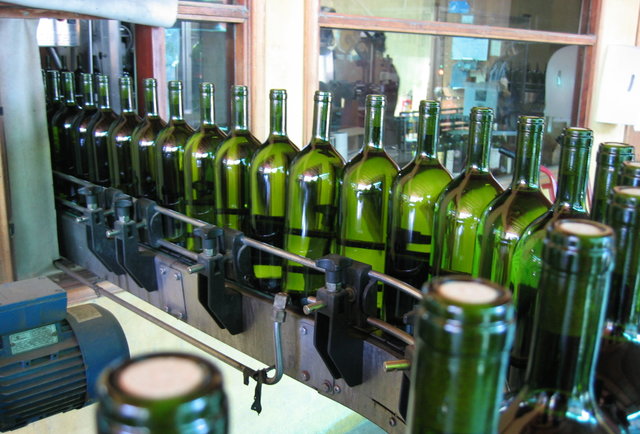
Bottling is costly, as it turns out..., but what about boxing? It's much less expensive when applied to wine. The plastic bags inside boxes of wine are vacuum-sealed. The boxes themselves are made out of cardboard, which is extremely efficient to produce and transport when compared to the glass used for bottles.
These savings are usually passed along to the thirsty consumer. In this case the consumer can afford to be a little thirstier. Boxes of wine typically contain around four times as much wine as bottles and go with a nicer price.
It's easy on the environment.
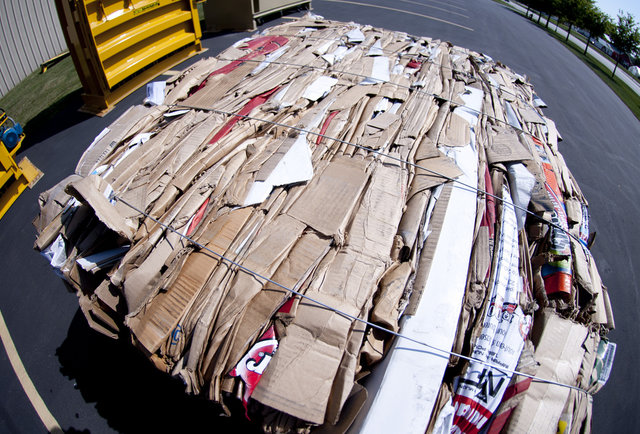
Cardboard boxes are recyclable and biodegradable, not to mention the fact that producing them takes far less energy than it takes to manufacture bottles. Plus, since cardboard isn't fragile, pieces of it are less likely to break off and contaminate stuff.
There's less fuss than with bottled.
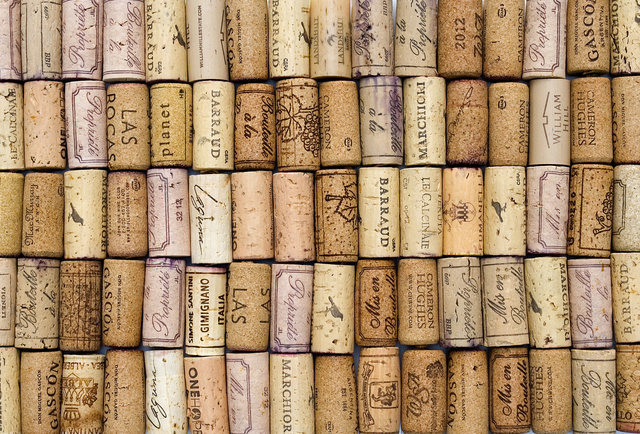
Concerned about your wine getting aerated and gross? Not a problem. Got anxiety about your wine turning out cork-flavored? Never an issue. And did we mention the elimination of a need for a corkscrew? Surely, we can all acknowledge that not needing to think on our feet to get at a glass of happiness can be a huge advantage.
A box is more convenient than a bottle.
Portability is key! Boxed wine is easy to store (it's geometric, so you can just Tetris it into picnic baskets, book collections, even spare-tire wells), transport, and share with your friends. 1.5- or 3-liter boxes are easy to pack and take on an outdoor adventure or can be enjoyed simply as your go-to everyday house wine.
Bar fights involving boxed wine are virtually nonexistent.
A dude coming at you with a glass bludgeon? Scary. A dude coming at you with some soggy cardboard? Sounds like the aftermath of a particularly competitive breakdance competition. And not that scary ;)

Above all, it's eminently drinkable.
Let's get down to brass tacks. Boxed wine is just easier to drink and share than a bottle. The larger boxes are great for parties, and honestly, if you don't show your guests (the snobbish ones too) where the wine is coming from, they won't even know it's a boxed stuff.
We've got a list of our best ones, just to get you started. Have fun, enjoy wine!